
The workshop will take place at the former Latisana Horse Exchange Station. Originally built as a historic building, it underwent extensive renovation works starting in 2009, which were later interrupted and then resumed with the aim of transforming it into a museum. The project focuses on restoring an area of significant historical and urban value and is part of a broader initiative to enhance the local area.
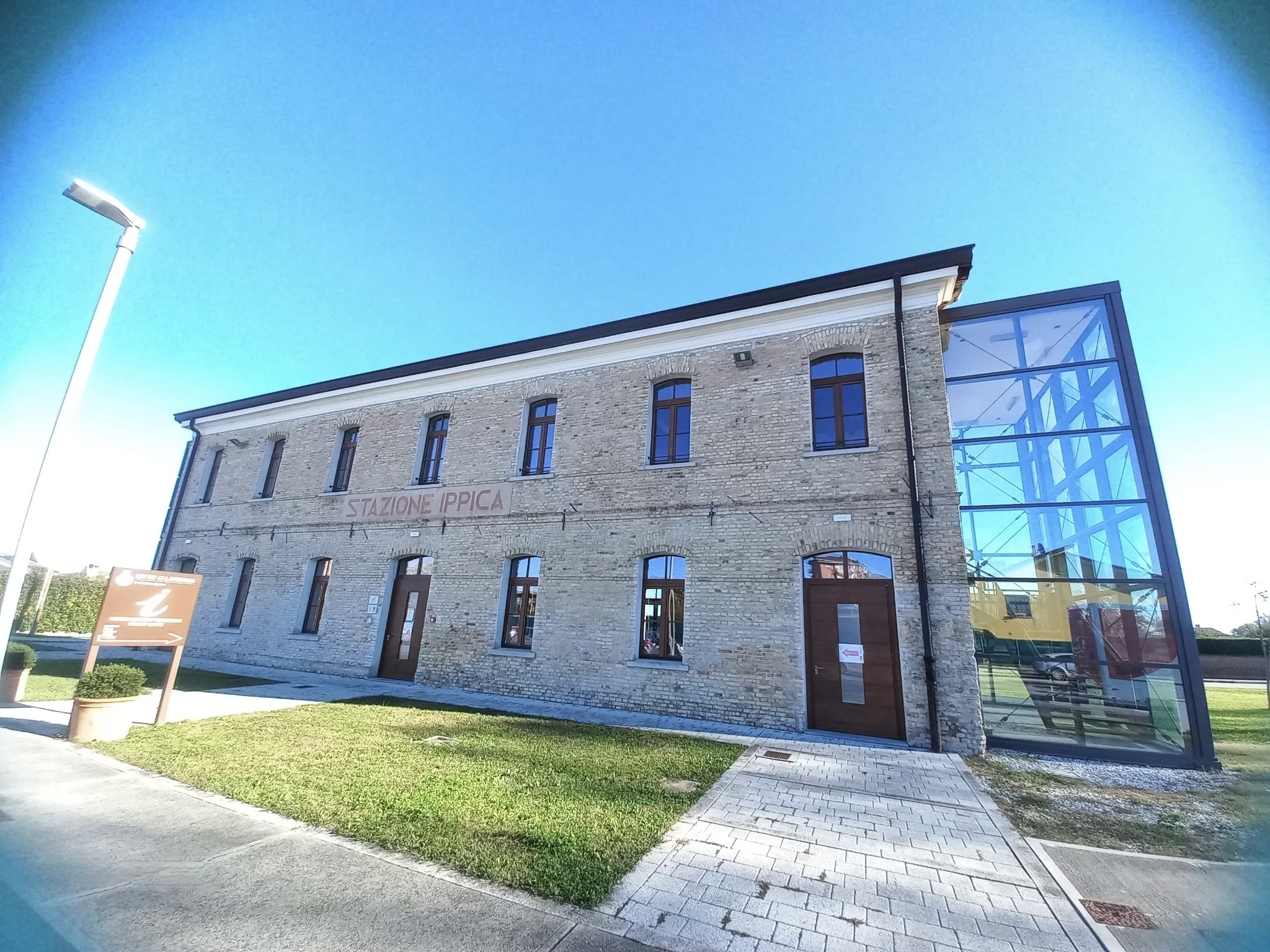
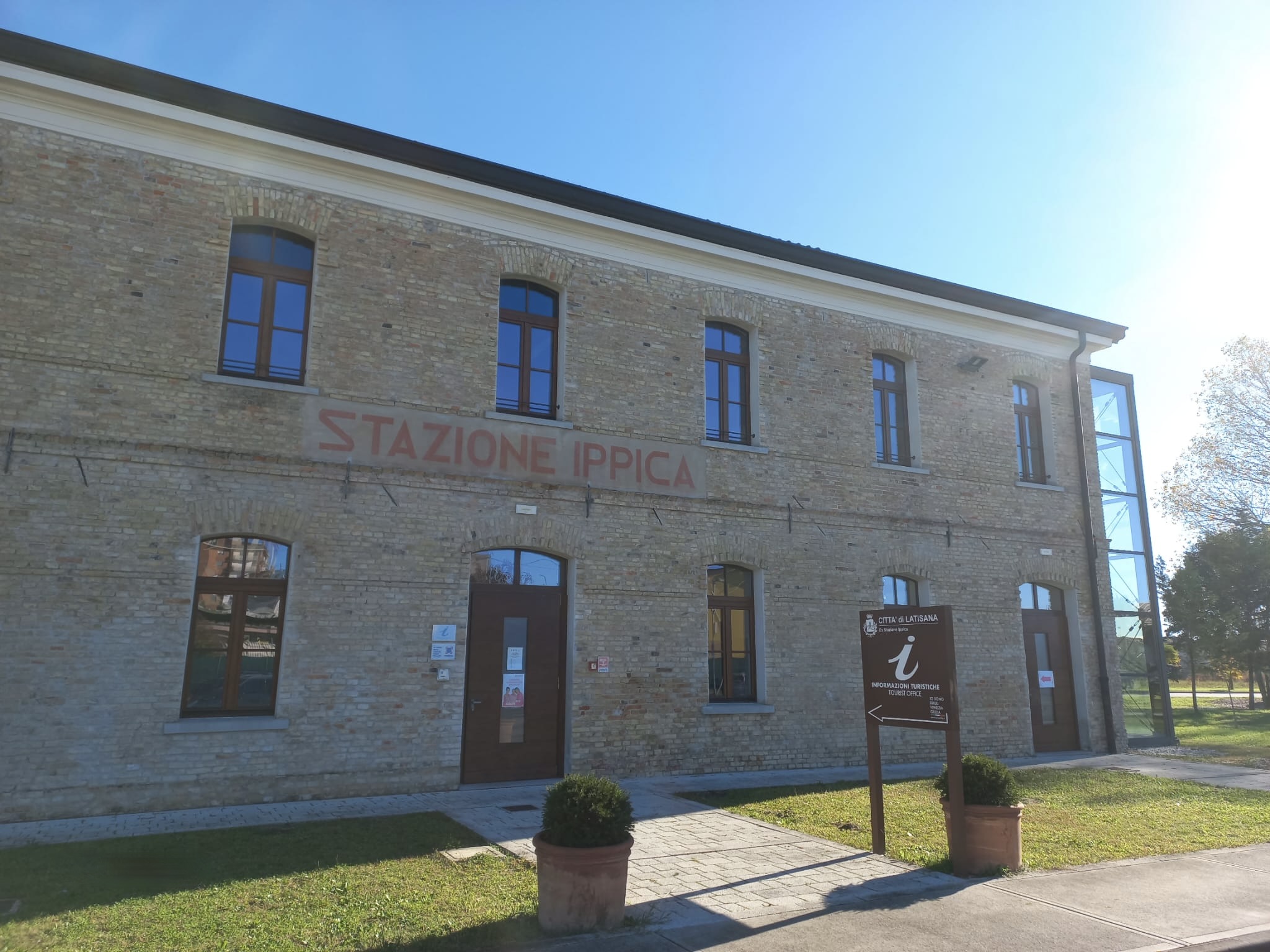
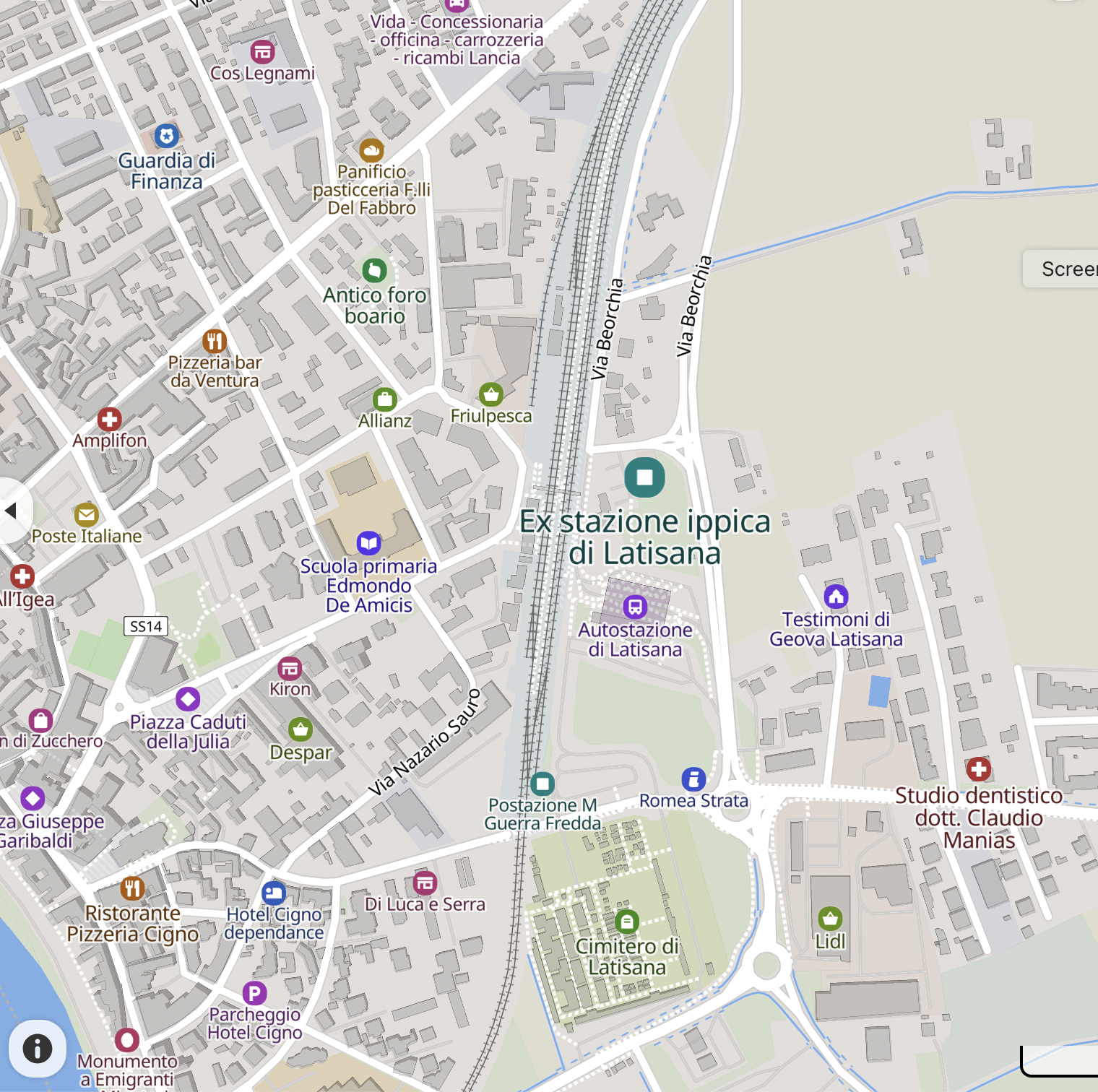
The following section offers a brief introduction to the city of Latisana, outlining its historical background.
|
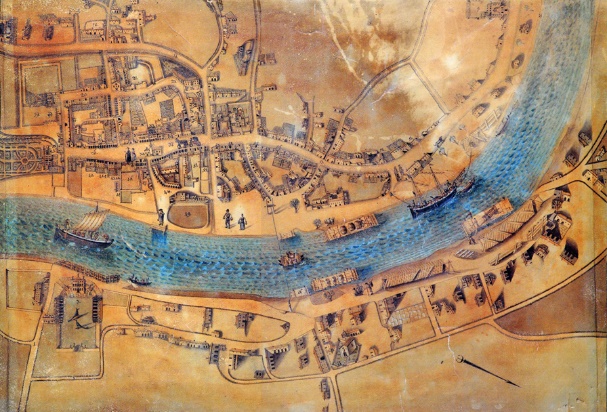
Latisana, located along the left bank of Tagliamento River in Friuli Venezia Giulia, has an ancient history that dates back to Roman times. The town stood along the Via Annia, the great Roman road that connected Adria to Aquileia, and was known in antiquity as Apicilia, serving as a stazione di posta (mansio) — a posting station where travelers and merchants could rest and exchange horses. This early role already revealed its vocation as a crossroads between the coast and the hinterland. Already mentioned as Portus Latisanae in medieval documents, the town prospered thanks to its strategic position between the Marano Lagoon and the routes leading into Friuli. Its river harbour on the Tagliamento was of particular importance, serving as a vital link for the transport of timber, grain, and salt, and connecting inland trade with the Venetian maritime routes. During the Middle Ages it came under the rule of the Varmo family and later the Counts of Gorizia, until, in the 15th century, it became part of the Republic of Venice. In the following centuries it remained a key hub for river and agricultural trade, a role it maintained under the Habsburg Empire and later, after the Unification of Italy. |
Antonio Banchieri - Map of Latisana (1746) |
|
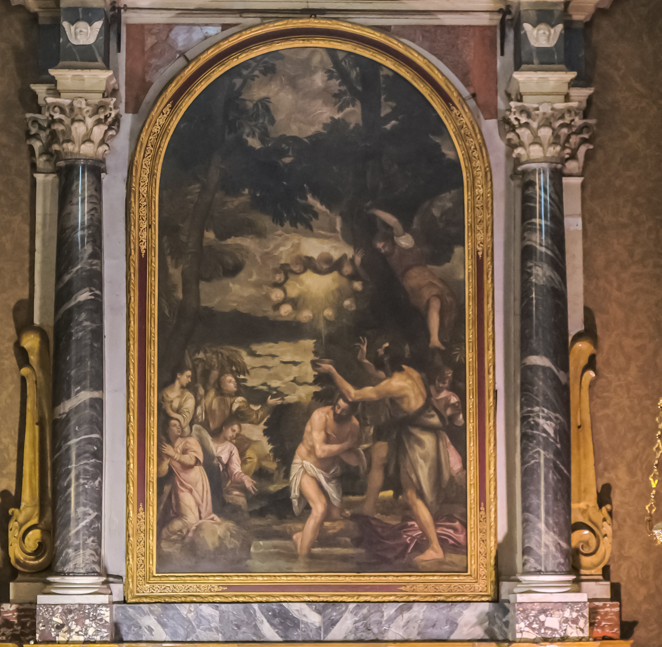
Altarpiece by Paolo Veronese |
Art and faith play a central role in Latisana’s identity. The main city church of St. John the Baptist preserves a true masterpiece of Venetian Renaissance art: the Altarpiece by Paolo Veronese, whose vibrant colors and refined composition enrich the main altar. Equally remarkable is the painting attributed to Tintoretto in the Church of St. Anthony Abbot, an intense work that connects the small town to the great season of Venetian painting. |
|
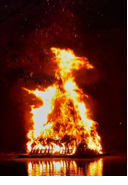
The traditions of Latisana reflect its strong ties with the land and Friulian culture. Religious festivities are particularly cherished, such as the celebration of the patron saint, John the Baptist, with processions and community gatherings. Other deeply rooted events include the San Martino festival in November, a moment of joy, music, and flavors that recalls rural traditions, and the Foghera on January 6th, when a large bonfire lights up the night to mark Epiphany and symbolically burn away the old year, uniting the community in an atmosphere of warmth and hope. Local cuisine further enriches this cultural fabric, blending the flavors of the lagoon and the countryside: fish dishes, risottos, polenta, and local production red and white wines. |
Foghera on Tagliamento River |
Today, Latisana preserves the charm of a river town with a rich historical heritage, while maintaining a strong identity rooted in its bimillennial past and in the customs that continue to shape the rhythm of community life.
Latisana is easy to reach from both Venice and Trieste airports. From Venice Marco Polo Airport, regular bus and train connections link to the Latisana–Lignano–Bibione railway station in about 1 hour and 30 minutes. From Trieste Airport, regional trains provide a direct connection to Latisana in roughly 1 hour. The town is also conveniently located along the A4 motorway, making it accessible by car from either city in just over an hour.
Pictures courtesy of Piergiorgio Maurizio